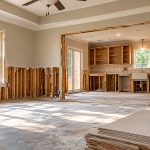
The fans have stopped. The drying equipment has been removed. Your home is finally quiet again.
For many homeowners, this feels like the end of the recovery process. The standing water is gone, damaged materials have been removed, and life can finally begin to return to normal.
But this is not the finish line.
It is the beginning of another important phase—rebuilding your home.
Water damage recovery happens in two separate stages. The first is mitigation, which focuses on removing water, drying affected materials, and preventing additional damage. The second is reconstruction, which restores your home after mitigation is complete.
Although these phases work together, they serve different purposes. A home that appears dry on the surface may still need a careful inspection before rebuilding begins. Water often travels farther than people expect, and some building materials take much longer to dry than others.
Starting repairs too soon can create problems that are expensive and frustrating to fix later. That’s why experienced contractors take time to inspect the property before installing new drywall, flooring, cabinets, or trim.
Professional water damage reconstruction begins with knowing the true condition of the home after mitigation. A thorough inspection helps identify hidden concerns, confirms the structure is ready for rebuilding, and gives homeowners greater confidence as the project moves forward.
In this article, you’ll learn why hidden water damage can remain after mitigation, where it is most often found, why rebuilding too soon can create future problems, and what to expect before reconstruction begins.
Key Takeaways
- Mitigation and reconstruction are different phases of recovery. Mitigation removes water and dries the property, while reconstruction restores the home after the drying process is complete.
- Hidden water damage may still exist after mitigation. Moisture can remain behind walls, beneath flooring, inside ceilings, and around structural framing even after visible surfaces appear dry.
- Water often travels farther than expected. A leak in one area can affect nearby rooms or concealed spaces, making a thorough inspection an important step before rebuilding.
- Different building materials dry at different rates. Wood, drywall, insulation, concrete, and subfloors all respond to moisture differently, so a home should be evaluated before reconstruction begins.
- Rebuilding too soon can lead to additional repairs. Installing new materials before the structure is ready may result in damage that requires finished work to be removed and repaired later.
- An approved reconstruction scope helps organize the project. It outlines the necessary repairs, coordinates construction activities, and helps ensure the rebuilding process follows the proper sequence.
- Clear communication makes the rebuilding process easier. Homeowners benefit from understanding what to expect before construction begins and throughout each stage of the project.
- Choosing a contractor who specializes in post-mitigation reconstruction can improve the outcome. Experience with rebuilding after water damage helps ensure repairs are completed in the correct order and according to the approved scope.
Water Mitigation and Reconstruction Serve Different Purposes
Many homeowners think mitigation and reconstruction are simply different names for the same service. They are actually two separate phases of recovering from water damage.
Mitigation is the emergency response. Reconstruction is the rebuilding process that follows.
The purpose of mitigation is to stop additional damage. Crews remove standing water, dry wet materials, monitor moisture levels, and remove building materials that cannot be saved. Their work helps stabilize the property and prepare it for the next phase of recovery.
When mitigation is finished, however, the home usually doesn’t look like it did before the damage occurred.
Sections of drywall may be missing. Flooring may have been removed to expose the subfloor. Cabinets, insulation, trim, and ceiling materials may also have been taken out to help the structure dry properly.
At this point, the property is stable, but it still needs to be rebuilt.
Reconstruction is the process of restoring the home. Depending on the damage, that work may include replacing drywall, installing insulation, repairing framing, restoring flooring, rebuilding cabinets, painting, and completing finish carpentry.
Each step depends on the one before it.
Drywall should not be installed until the framing behind it is ready. New flooring should not cover a subfloor until it has been inspected. Cabinets should not be installed until the surrounding walls have been properly prepared.
Following the right sequence helps produce a stronger, longer-lasting repair.
Imagine you’re away for a long weekend when the supply line behind your washing machine bursts. Water spreads across the laundry room, soaks into nearby flooring, and eventually reaches the ceiling below.
A mitigation crew responds quickly. They remove damaged drywall, dry the affected materials, and monitor moisture levels over several days. When the equipment is removed, everything appears ready for rebuilding.
During the inspection before construction begins, however, the contractor discovers moisture inside a nearby wall cavity. Although the main affected area dried successfully, water had traveled farther than anyone first realized.
If the new drywall had been installed immediately, that moisture would have been sealed inside the wall.
Situations like this are more common than many homeowners realize. They are also one of the biggest reasons every rebuild after water mitigation should begin with a careful inspection instead of assuming the property is ready.
Why Hidden Water Damage Can Remain After Mitigation
One of the biggest surprises for homeowners is learning that water doesn’t always stay where the leak began.
Most people expect the damage to remain in one room. In reality, water often travels through a home’s structure before anyone notices a problem. By the time a stain appears on a wall or ceiling, moisture may have already moved through several hidden spaces.
This is one reason contractors inspect more than the area where the leak first became visible.
Water Follows the Path of Least Resistance
Water naturally moves toward lower areas, but gravity isn’t the only force at work.
It can travel beneath flooring, soak into framing, move through insulation, and follow openings created by plumbing or electrical lines. A leak inside an upstairs bathroom wall, for example, may eventually appear as a stain on the ceiling below. A dishwasher leak may spread behind nearby cabinets before water reaches the kitchen floor.
The visible damage often represents only part of the affected area.
Understanding how water moves through a structure helps explain why rebuilding should never begin based only on what can be seen.
Building Materials Dry at Different Speeds
Every material inside a home responds to moisture differently.
Drywall absorbs water quickly. Wood framing can stay damp much longer. Concrete releases moisture at a different rate than plywood subfloors, while insulation may continue holding moisture even after nearby surfaces feel dry.
Think about washing a thick comforter.
The outside may feel dry while the center is still damp. Houses can behave the same way after water damage. The walls and floors may appear ready, but moisture can still remain inside the materials beneath the surface.
That doesn’t mean mitigation wasn’t successful. It simply means that different materials require different amounts of time to dry, and every home responds differently after a water loss.
Some Areas Are Hidden from View
Many of the most important parts of a home are hidden behind finished surfaces.
Wall cavities contain framing, insulation, plumbing pipes, and electrical wiring. Flooring systems include subfloors and support materials beneath the finished surface. Ceiling spaces often contain framing, ductwork, and plumbing lines.
These areas cannot always be fully inspected until demolition has taken place or the reconstruction team begins preparing the property for rebuilding.
Finding hidden water damage before new materials are installed is much easier than discovering it after the project has been completed.
Taking the time to inspect these concealed spaces helps protect the quality of the repairs and reduces the chance of unexpected problems later.
Knowing that hidden moisture can remain after mitigation naturally leads to another question:
Where is concealed water damage most likely to be found?
Common Places Hidden Water Damage Is Found
Water rarely damages just one material or one room. Once it enters a home, it follows the easiest path through the structure, often reaching places that homeowners never expected.
Because of that, experienced reconstruction contractors inspect more than the obvious damage before rebuilding begins.
One of the most common places to find hidden moisture is behind kitchen and bathroom cabinets. Since cabinets fit tightly against the wall, there is very little airflow behind them. A leak beneath a sink or behind a dishwasher can allow moisture to collect in those spaces without being immediately visible.
Wall cavities are another common location.
The drywall you see is only the finished surface. Behind it are wood studs, insulation, plumbing pipes, and electrical wiring. Water can move through these spaces without leaving obvious signs until much later. A small stain on the wall may represent only a fraction of the affected area inside.
Flooring systems also deserve careful attention.
Whether the home has hardwood, laminate, luxury vinyl plank, tile, or carpet, every finished floor sits on top of a subfloor. Even after damaged flooring has been removed during mitigation, the subfloor should be inspected before replacement materials are installed. A solid foundation helps support the long-term performance of the finished floor.
Ceilings can also hide moisture that traveled from another part of the house.
For example, an upstairs plumbing leak may create a stain in a hallway ceiling several feet away from where the water first entered the structure. Looking only at the visible stain may not tell the full story.
Exterior walls deserve the same attention.
Water entering around windows, doors, or other exterior openings can affect insulation, framing, sheathing, and interior drywall at the same time. While the painted wall inside the room may appear to be in good condition, the materials behind it could still require attention before rebuilding begins.
A careful inspection helps identify these hidden areas before new materials cover them. That extra step helps create a stronger repair and gives homeowners greater confidence as reconstruction moves forward.
Why Rebuilding Too Soon Can Create Problems
Once mitigation is complete, many homeowners are ready to see their home look normal again. They want the walls repaired, the flooring replaced, and the construction finished as quickly as possible.
That feeling is completely understandable. Water damage can interrupt daily life, and everyone wants to move forward.
Even so, rebuilding should begin only after the home has been carefully inspected.
The materials you see every day are only part of your home’s structure. Behind the drywall are wood studs, insulation, plumbing, and electrical wiring. Beneath your flooring is a subfloor that supports everything installed above it. These hidden parts of the home also need to be ready before reconstruction begins.
Installing new materials too soon can create problems later.
For example, new flooring needs a solid, dry surface underneath it. If the subfloor is not ready, the finished flooring may not perform as expected over time. Drywall, trim, cabinets, and paint also depend on stable conditions behind the finished surfaces.
Think about painting a wall before the drywall has been finished. Even the best paint cannot hide problems underneath. The same idea applies to rebuilding after water damage. Every repair depends on the condition of the materials beneath it.
Imagine a family whose kitchen experienced a water leak from a refrigerator supply line. After mitigation, the damaged flooring is removed and the room appears ready for reconstruction. During the pre-construction inspection, however, the contractor notices signs that moisture had spread beneath nearby cabinets. Because the issue is found before new flooring is installed, it can be addressed without disturbing completed work.
Finding hidden concerns early is always easier than repairing them after reconstruction has already been completed.
Taking a little extra time before rebuilding starts helps protect the quality of the finished project and reduces the chance of unexpected repairs later.
Why the Approved Reconstruction Scope Matters
Every successful rebuilding project begins with a plan.
That plan is called the approved reconstruction scope. It outlines the repairs that will be completed and helps organize the project from start to finish.
Without a clear scope, construction can become confusing. Materials may arrive before they are needed, different trades may be scheduled at the wrong time, and homeowners may not know what to expect next.
A reconstruction scope helps avoid those problems.
It identifies the damaged areas, lists the repairs that will be completed, and establishes the order in which the work should happen. This keeps the project organized and helps everyone stay on the same page.
For example, insulation is installed before drywall. Drywall is finished before painting. Flooring is usually installed after painting to help protect the finished surface. Cabinets, trim, and final details are completed as the project moves toward completion.
Following this sequence helps each stage support the next.
Homeowners also benefit from having a clear understanding of the project. Instead of wondering what comes next, they know what work is planned and how the rebuilding process will move forward.
If you are looking for insurance reconstruction services, it is helpful to understand that reconstruction contractors work from approved scopes after mitigation has been completed. Their role is to restore the damaged property based on the approved repairs and return it to a safe, comfortable, and functional condition.
A well-planned project is usually a smoother project. Clear expectations, organized scheduling, and good communication all help reduce delays and keep reconstruction moving in the right direction.
What Homeowners Should Expect Before Rebuilding Begins
The time between mitigation and reconstruction often brings new questions.
When will construction start?
How long will the work take?
What happens before the first repairs begin?
While every project is different, most follow the same basic process.
The first step is reviewing the approved reconstruction scope and comparing it to the current condition of the property. This allows the reconstruction team to confirm that the planned repairs match what they see during the site visit.
Next comes a detailed inspection.
The contractor reviews the areas affected by the water damage, including exposed framing, wall systems, subfloors, and other accessible parts of the home. This inspection helps confirm that the structure is ready for rebuilding before new materials are installed.
If additional concerns are found, they can usually be addressed before construction begins. Solving these issues early often saves time and helps avoid interruptions later in the project.
Once the inspection is complete, planning begins.
Materials are ordered, construction schedules are created, and the different trades are coordinated. Depending on the project, this may include drywall installers, painters, flooring specialists, cabinet installers, electricians, plumbers, and finish carpenters.
Each team has an important role, and careful scheduling helps keep the project moving efficiently.
Communication is another important part of the process.
Most homeowners appreciate knowing what work is scheduled, when crews will arrive, and what milestones to expect during the rebuild. Regular updates help reduce uncertainty and make it easier to plan around the construction schedule.
By the time rebuilding begins, everyone should have a clear understanding of the project and the steps ahead.
Why Choosing the Right Reconstruction Contractor Matters
Rebuilding after water damage is different from a typical home improvement project.
The goal is not simply to replace damaged materials. The goal is to restore the home after it has gone through a water loss and the mitigation process.
That requires experience.
A qualified reconstruction contractor understands how water affects different building materials and knows how to coordinate the work so each stage supports the next. They also recognize that every project is unique and that careful preparation helps produce better long-term results.
Communication matters just as much as construction skills.
Water damage can be stressful. Homeowners often have questions about schedules, materials, and what happens next. A contractor who provides regular updates and explains the rebuilding process can make the experience much less stressful.
These are qualities that customers often mention when describing their experience with Santex Building Company. Reviews frequently highlight professionalism, responsiveness, clear communication, and quality workmanship from beginning to end. Many homeowners also appreciate having a team that keeps them informed throughout the rebuilding process.
If you’re preparing to restore your property after mitigation, learning more about water damage reconstruction can help you understand what to expect during the rebuilding process and why careful preparation plays such an important role.
Conclusion
When the drying equipment leaves your home, the recovery process is not over. It has simply entered a new stage.
Mitigation helps remove water and stabilize the property. Reconstruction restores the home by replacing damaged materials and returning each room to a safe, comfortable, and finished condition.
Before rebuilding begins, it is worth taking the time to inspect the areas that cannot be seen. Hidden moisture can remain inside walls, beneath flooring, or around structural components even after visible surfaces appear dry. Finding these issues before reconstruction starts helps protect the quality of the finished repairs and reduces the chance of unexpected problems later.
A successful rebuild is built on careful preparation. By following an approved reconstruction scope, inspecting the property before construction begins, and completing the work in the proper order, homeowners can move forward with greater confidence that their home is being restored the right way.
If your property has also been affected by smoke or fire damage, Santex Building Company also specializes in fire damage rebuild services for homes and commercial properties after mitigation has been completed.
If you’re ready to move forward with your rebuild after water mitigation, Santex Building Company is here to help. We specialize in post-mitigation reconstruction and work from approved reconstruction scopes to restore homes and commercial properties with quality craftsmanship, organized project management, and clear communication from start to finish.
Request your FREE Quote today at https://teamsantex.com/free-quote/ or call 713-999-154 to speak with the Santex Building Company team about your reconstruction project.
Frequently Asked Questions
1. Can hidden water damage remain after mitigation is complete?
Yes. Even after drying equipment has been removed, moisture can remain inside wall cavities, beneath flooring, behind cabinets, or in other concealed areas. A thorough inspection before reconstruction helps identify these conditions.
2. Is water mitigation the same as reconstruction?
No. Water mitigation focuses on removing water, drying the property, and preventing additional damage. Reconstruction begins after mitigation and involves rebuilding the damaged areas of the home or commercial property.
3. Why shouldn’t reconstruction begin immediately after mitigation?
Rebuilding should begin only after the property has been inspected and confirmed ready. Installing new materials too soon can cover hidden moisture or other conditions that may require additional repairs later.
4. Where is hidden water damage most commonly found?
Hidden water damage is often found behind cabinets, inside wall cavities, beneath flooring, above ceilings, and around windows or exterior walls where water can travel without being immediately visible.
5. What is an approved reconstruction scope?
An approved reconstruction scope is a document that outlines the repairs needed after mitigation. It identifies the damaged areas, defines the rebuilding work, and helps organize the construction process.
6. How long does reconstruction take after mitigation?
Every project is different. The timeline depends on the amount of damage, the scope of repairs, material availability, and scheduling. Your reconstruction contractor can provide a project schedule after reviewing the approved scope.
7. Why is a pre-reconstruction inspection important?
A pre-reconstruction inspection helps confirm that the property is ready for rebuilding. It can identify hidden concerns before new drywall, flooring, cabinets, or other finish materials are installed.
8. What should I look for in a post-mitigation reconstruction contractor?
Choose a contractor with experience rebuilding properties after water damage, a clear communication process, organized project management, and a commitment to following the approved reconstruction scope.
This article is a collaboration between Santex Building Company and OpenAI’s ChatGPT. Created on July 13, 2026, it combines AI-generated draft material with Santex’s expert revision and oversight, ensuring accuracy and relevance while addressing any AI limitations.
Recommended Reading
1. ANSI/IICRC S500 Standard for Professional Water Damage Restoration
The ANSI/IICRC S500 is the leading industry standard for water damage restoration. While it is written primarily for restoration professionals, it provides valuable insight into drying principles, moisture management, and restoration best practices that support successful reconstruction planning.
URL: https://iicrc.org/iicrcstandards/
2. Water Damage: A Homeowner’s Guide to Mold Prevention After Water Damage – U.S. Environmental Protection Agency (EPA)
This EPA resource explains how moisture affects buildings, why prompt drying is important, and how proper cleanup helps reduce the risk of mold growth. It provides practical guidance that complements the discussion of hidden moisture and post-mitigation rebuilding.
3. Protect Your Home From Water Damage – Insurance Institute for Business & Home Safety (IBHS)
The Insurance Institute for Business & Home Safety (IBHS) offers research-based guidance on preventing water damage, understanding common causes of leaks, and protecting residential properties. Its educational resources provide valuable context for homeowners and industry professionals seeking to improve long-term building resilience.
URL: https://ibhs.org/hail/high-wind-and-hail-resources/ (Visit the IBHS website and navigate to the water damage and home maintenance resources.)